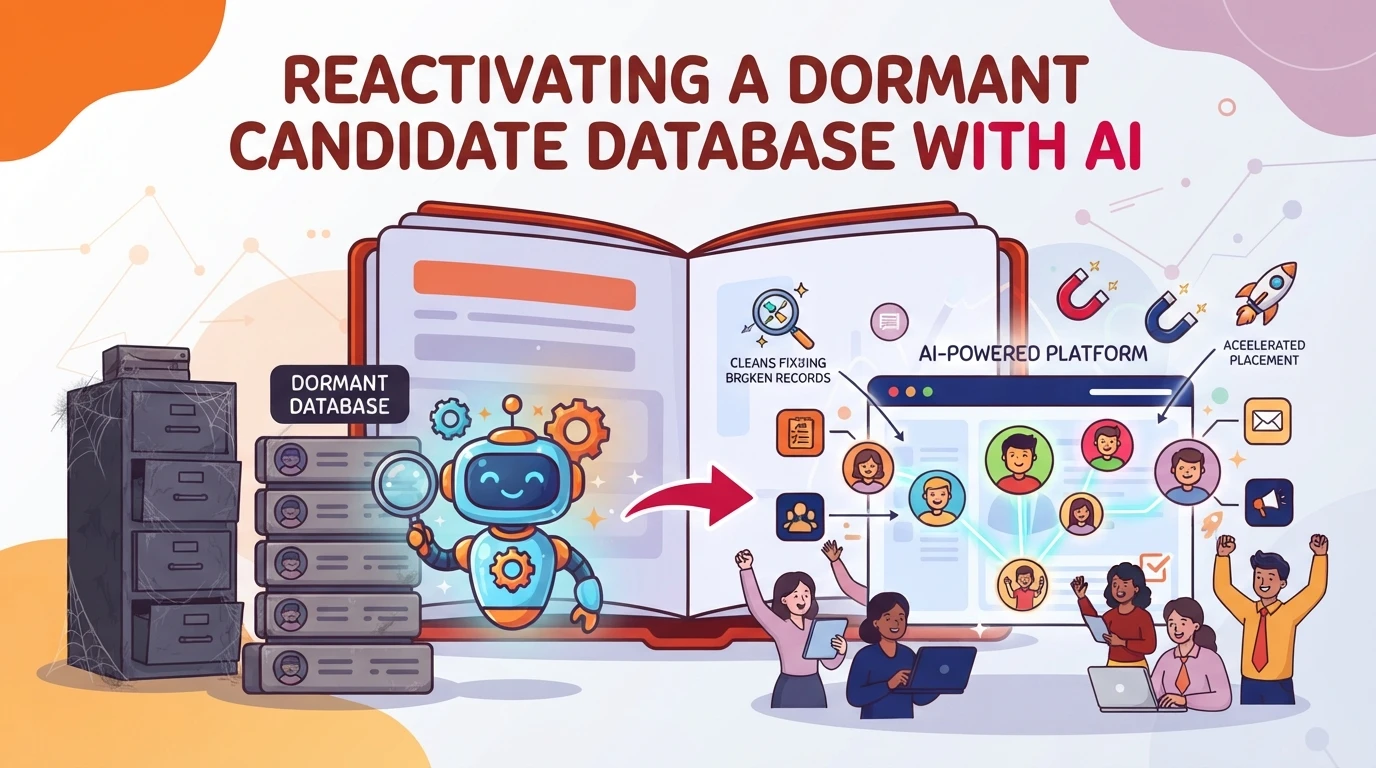
A consultant opens the CRM to find a candidate placed six months ago. Four near-identical profiles come back, each missing key skill tags. She gives up and blames the search tool, but the software is not broken; the records are. Implementing an AI CRM for recruitment fails when machine learning models rely on incomplete or inconsistent data.
Most AI initiatives in recruitment agencies stall because algorithms depend on structured, reliable database records to generate accurate outputs. Duplicate entries, blank fields and unindexed notes confuse every model sitting on top of them.
What structured data means in a recruitment CRM
Data quality in a recruitment database is not about aesthetic neatness. The true test is whether your system can parse records reliably to deliver actionable insights.

An AI feature requires four specific record conditions:
- Consistency. Job titles, locations and company names use standard conventions rather than free-text variations.
- Categorisation. Candidates, clients and active contacts sit in distinct record types with clear boundaries.
- Completeness. Core fields driving candidate matching and business development contain populated values.
- Structure. Custom fields and tags map directly to how your desks segment their market.
Recruitment databases often degrade along predictable lines. Duplicate candidate profiles accumulate from bulk imports. Free-text job titles replace structured taxonomy fields, blocking automated matching. Client contacts remain attached to outdated company accounts.
Our data intelligence service evaluates every CRM record against consistency and completeness metrics, highlighting populated data versus fields requiring attention.
How poor data quality breaks AI features
AI modules in recruitment platforms do not possess intuition. They parse populated fields and generate recommendations based on statistical patterns. When underlying records contain conflicting details or unmapped text, the system generates inaccurate recommendations with high confidence.
Match scoring and candidate discovery
Automated matching tools weigh candidate profiles against job requirements using populated database fields. Missing data creates immediate points of failure:
- A candidate stored as "Developer" without seniority tags or technical specialisms appears identical to hundreds of generic profiles. Algorithms rank them arbitrarily.
- Placement notes logged in unstructured text blocks remain hidden from standard matching queries. Valuable context stays buried in prose that search tools bypass.
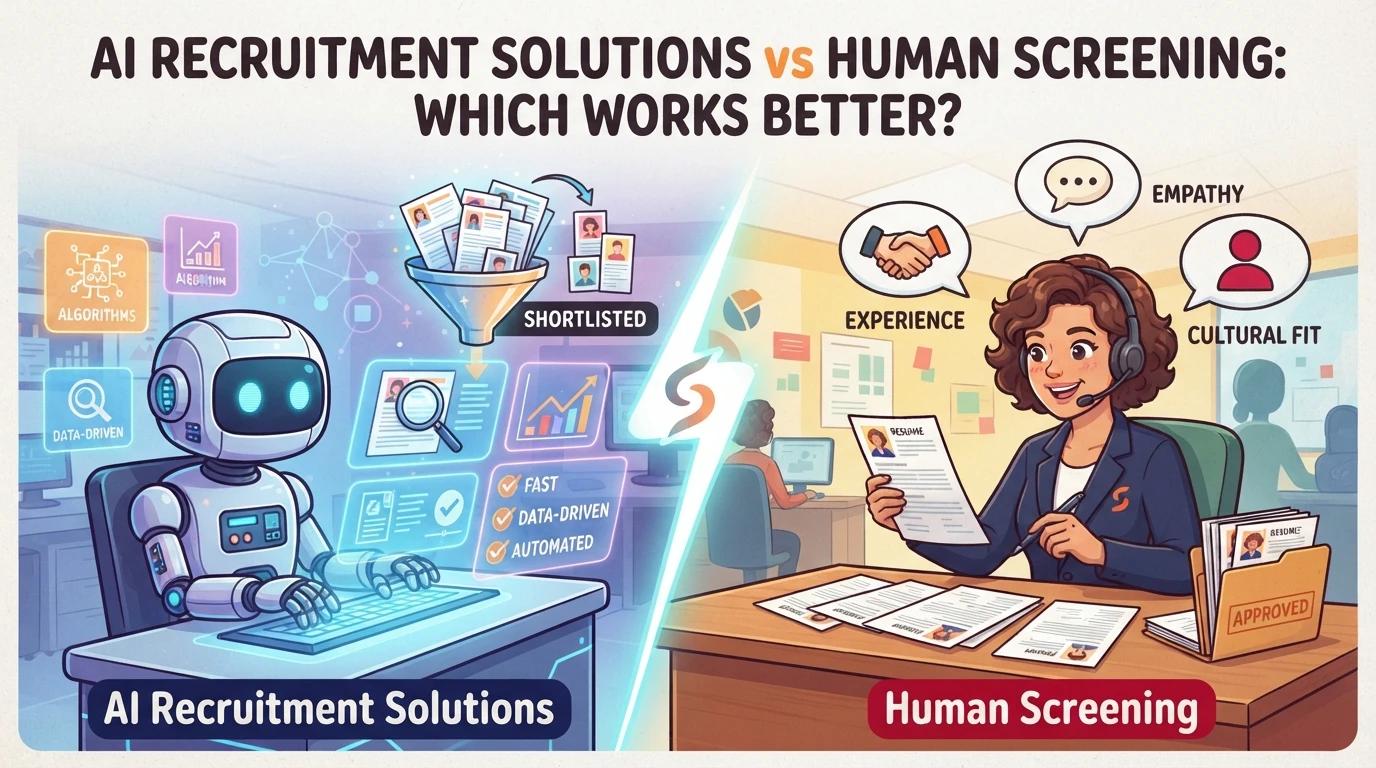
Consultants notice poor match quality quickly. When candidate shortlists miss obvious fits, billers return to basic keyword filtering within days.
Outreach automation and pipeline forecasting
Predictive outreach tools select candidate segments and email cadence from historical placement data. Feeding these systems duplicate records or inaccurate contact statuses leads to misdirected messaging. Automated workflows end up messaging candidates who changed careers years ago.
Forecasting tools suffer a similar decline. If deal stages, fee values and placement outcomes are logged inconsistently, algorithms cannot identify true conversion trends. The resulting revenue predictions become unreliable indicators for management.
Models trained on inconsistent data yield inaccurate predictions. Resolving underlying record faults restores the accuracy of these automated features.
The feedback loop between bad data and low user adoption
Poor record quality and weak AI output create a self-reinforcing operational problem. When an automated assistant reads incomplete records, it produces vague candidate summaries. Consultants ignore the output and resume manual processes.

Automation accelerates this breakdown because it operates at scale. A consultant makes data entry errors one record at a time. An automated workflow can propagate miscategorised records across thousands of candidate profiles in minutes.
Every inaccurate AI suggestion forces consultants back to manual verification. Billers lose confidence in system outputs, software adoption plummets and monthly licence fees yield little commercial return. As we discussed in our recorded conversation on process before automation, aligning desk habits before configuring software features is essential to securing technology ROI.
What an AI-ready database looks like in practice
Software vendors often sell AI integrations as automated fixes for poor data entry. In practice, algorithms require a solid database framework to deliver value.

An effective data architecture relies on strict structural guidelines:
- Single candidate entities. Consolidating candidate instances ensures matching tools view a complete work history.
- Standardised field options. Dropdown menus replace open text fields for job titles, locations and industry sectors.
- Explicit record status. Active job seekers are distinguished clearly from placed or archived contacts.
- Mapped record connections. Candidates link directly to specific vacancies, placements and client accounts.
System structure must be matched by team discipline. Consultants need simple workflows for logging calls, updating statuses and applying taxonomy tags. Setting mandatory fields on key stages ensures data standards remain consistent across growing teams.
A 90-day framework for data remediation
Preparing a CRM database for AI tools requires systematic operational focus rather than new software purchases.
Days 1 to 30: baseline assessment
Export candidate and client databases to measure current data health. Record the percentage of profiles containing valid email addresses, current job titles and location fields.
Identify duplicate records by cross-referencing primary email addresses. Flag records that have not been updated or engaged with for over 12 months. This audit creates a baseline metrics report for tracking improvement.
Days 31 to 90: standardisation and governance
Focus remediation efforts on high-impact fields that directly feed search and matching tools. Standardise job title taxonomies and mandate dropdown selection for key criteria.
Establish clear data entry conventions across all recruitment desks. Conduct monthly sample audits to maintain field integrity and prevent record quality from degrading over time. Exploring our recruitment technology insights provides further context on managing platform rollouts effectively.
Evaluating your database before investing in AI
Before committing budget to new AI tools, examine the current state of your CRM records. If candidate profiles contain missing fields, unmapped notes and duplicate entries, resolve those structural gaps first.
AI platforms do not repair underlying record deficiencies; they expose them. Establishing accurate data entry habits ensures future technology investments yield measurable gains in desk productivity.
Frequently asked questions
Why does CRM data quality matter for AI in recruitment?
AI models evaluate candidates and jobs using the structured fields in your database. When CRM records contain duplicate entries, blank fields or inconsistent categorisation, AI matching and automation tools build recommendations on incomplete information. This results in inaccurate shortlists and unhelpful candidate suggestions, regardless of how advanced the underlying software is.
What makes a recruitment CRM ready for AI adoption?
An AI-ready CRM requires standardised field formats, clear record status tracking and mapped relationship links between candidates, contacts and placements. Consultants must also follow consistent operational habits, such as logging activities promptly and applying accurate taxonomy tags. Structure and consistent data entry ensure AI features draw on reliable records.
How does poor CRM data affect consultant adoption of AI tools?
Poor data quality generates inaccurate AI output, such as irrelevant match scores or flawed outreach text. When consultants receive unreliable results, they quickly revert to manual searching and static filters. This loss of user confidence stalls software adoption across the agency, while software licence costs continue to accumulate.
Can recruitment agencies fix CRM data issues without buying new software?
Yes. Agencies can improve CRM data usability through internal audits, standardising dropdown options and enforcing mandatory fields on key forms. Identifying duplicate records and establishing strict operational rules prevents ongoing data degradation, allowing existing AI features to perform effectively without adding extra software subscriptions.