Where the Cost Difference Actually Sits
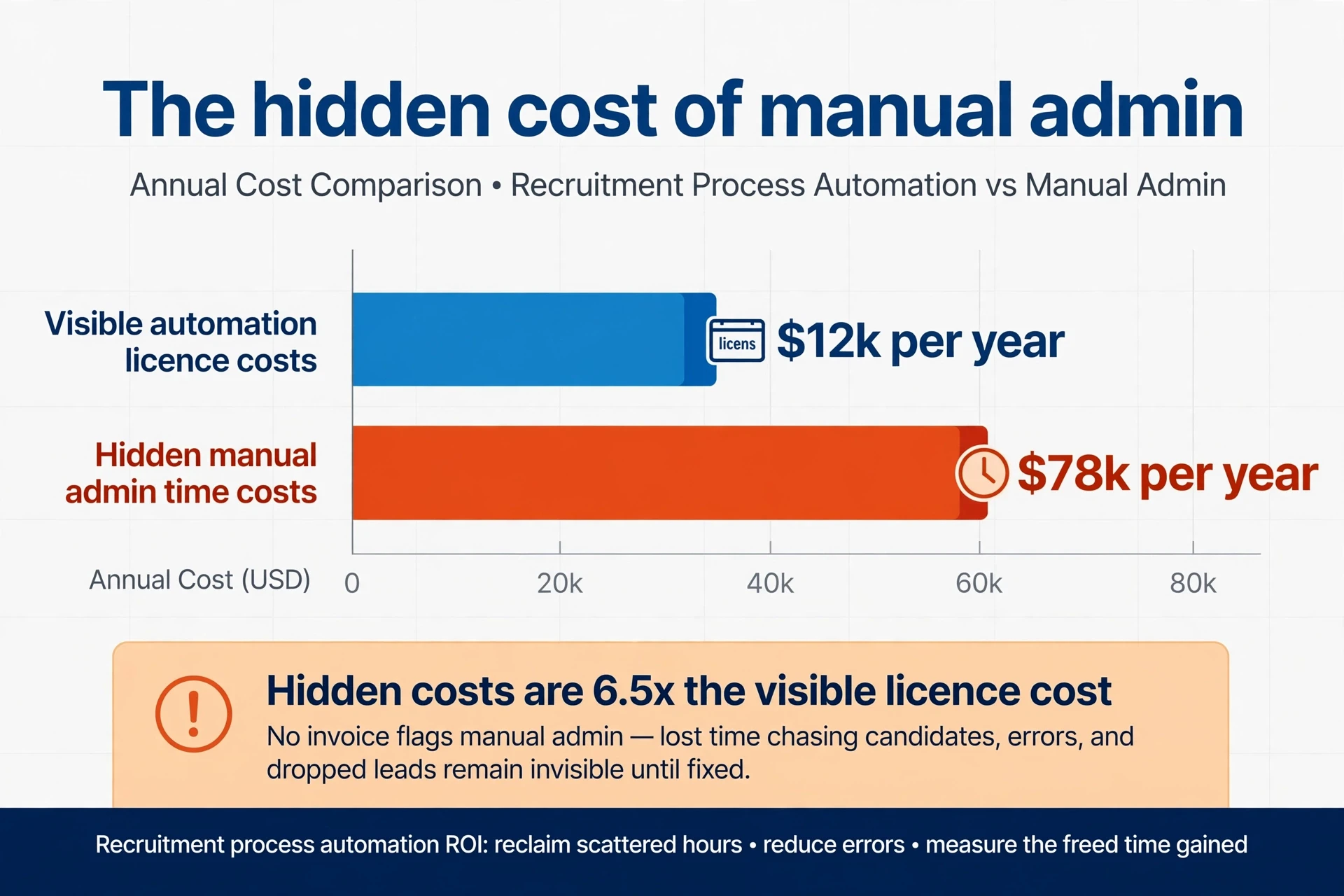
Agency directors often compare software licence fees directly against administrative hourly rates. That calculation misses the point. Software subscription costs appear clearly on a monthly invoice, so they face immediate scrutiny.
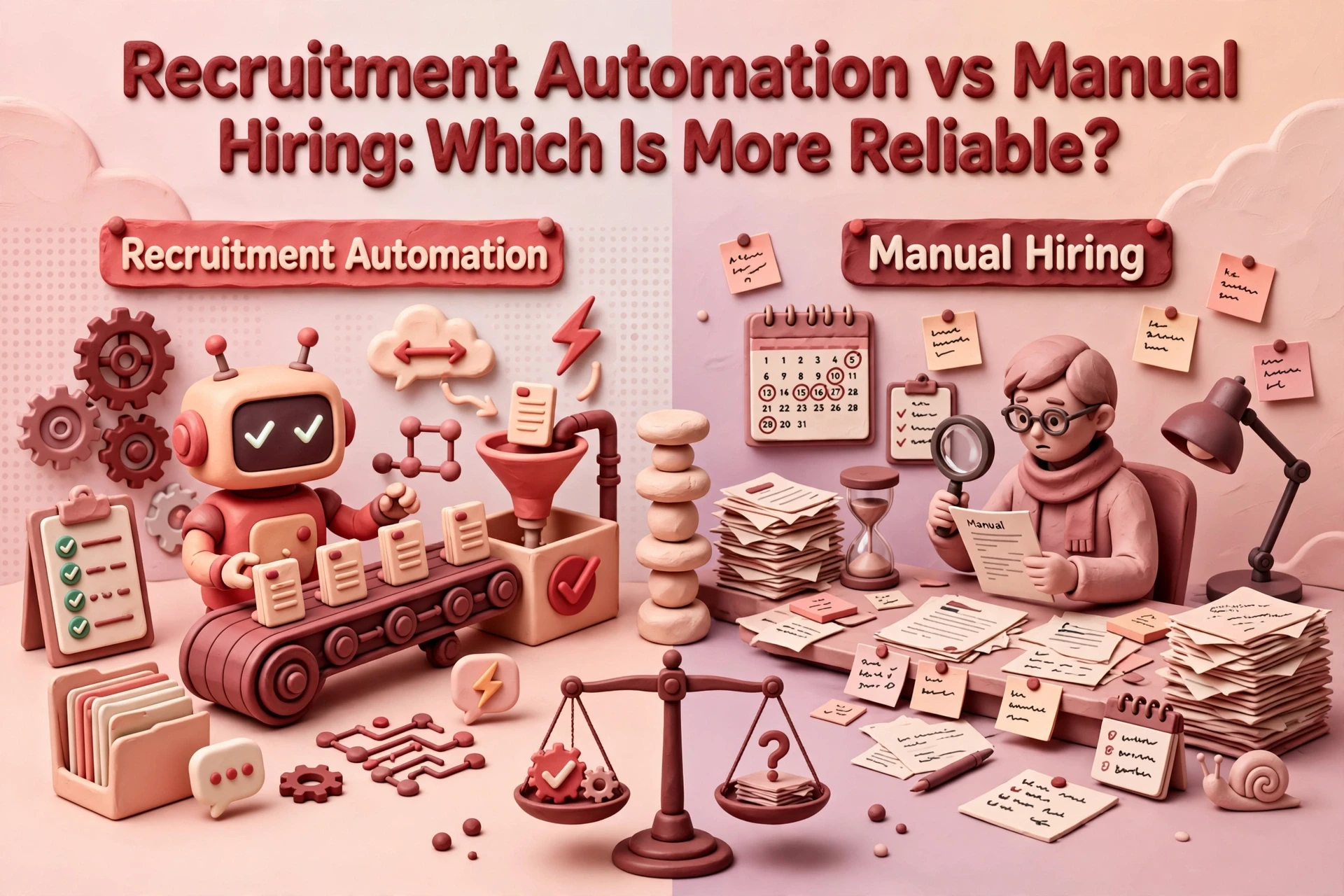
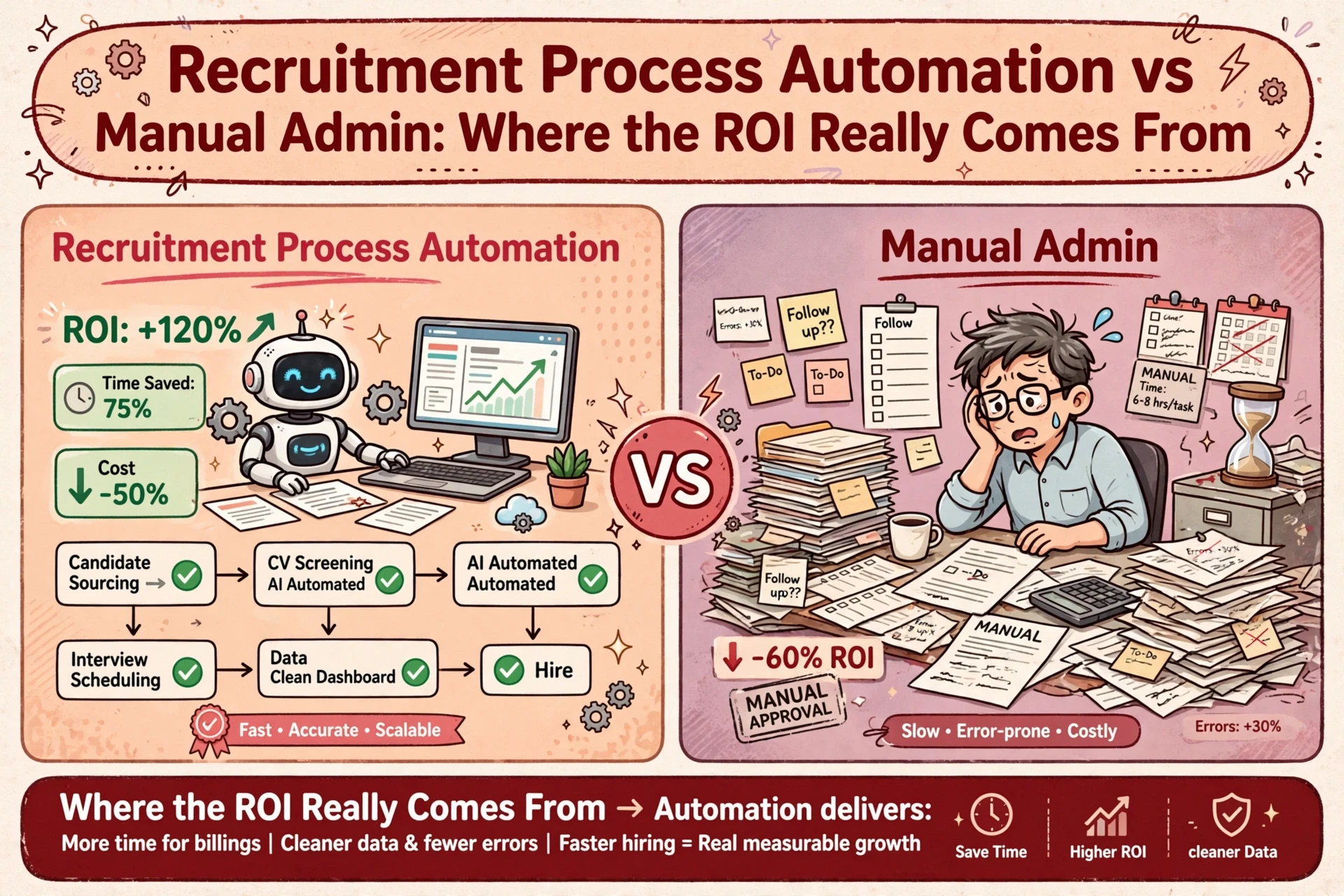
Manual administration conceals its cost inside the working week. It presents as CV formatting late in the evening, manual copying between email clients and the CRM, compliance checks run from memory, and candidates dropped because a follow-up was missed. No invoice arrives for these wasted hours, yet they directly erode fee-earning capacity.
True recruitment process automation ROI does not come from replacing consultants with software. It comes from recovering delivery capacity, removing workflow bottlenecks and ensuring predictable follow-up across your active pipeline.
How Do You Calculate Recruitment Automation ROI Accurately?
Calculating ROI requires a baseline you can defend. Select one specific process, such as candidate registration or interview scheduling. Track the actual time consultants spend on that process across two full weeks, including chasing missing details and correcting errors. Apply a fully loaded hourly rate that includes salary, employer costs and desk overheads.
Evaluate the returns across three distinct financial views:
- Cash view. Real expenditure reductions. This only applies if software allows you to reduce external spend or remove administrative overhead directly.
- Capacity view. Hours returned to billers. Desk costs remain constant, but consultants gain extra time for fee-earning candidate sourcing and client development.
- Payback view. Total implementation and licence costs divided by monthly capacity value recovered.
Evaluating capacity gains alongside pipeline efficiency reveals clear commercial returns. Agencies tracking operational output across their tech stack can align these calculations with broader recruitment forecasting models to measure desk performance accurately.
What to Automate First and What to Keep Human
Successful automation strategies target tasks that are predictable, high-volume and easy to verify. High-value recruitment activities rely on human judgment, relationship building and negotiation.
Low-risk administrative tasks suitable for automation
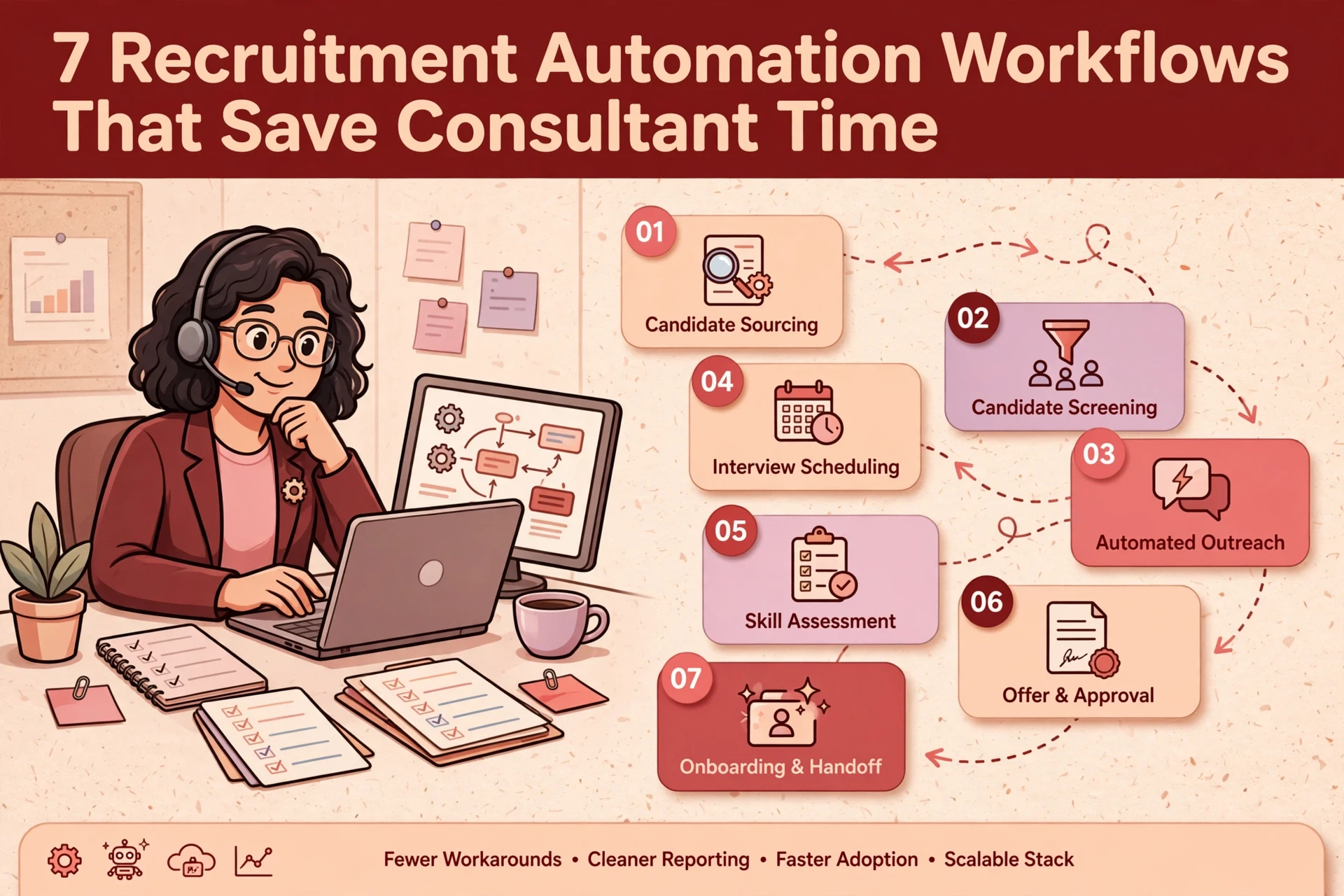
- CV formatting and parsing. Extracting candidate data and mapping fields directly into the CRM.
- Interview coordination. Managing calendar availability, confirmation notices and preparation reminders.
- Status updates. Sending templated stage confirmations to candidates when job statuses change.
- Pipeline reporting. Gathering weekly placement and submission data into standard internal summaries.

High-judgment tasks requiring human control
- Candidate screening calls and offers. Assessing cultural fit, motivations and compensation details requires human context.
- Constructive rejection feedback. Delivering clear, sensitive feedback preserves market reputation and candidate relationships.
- Senior executive outreach. High-value prospects expect tailored, direct engagement from experienced consultants.
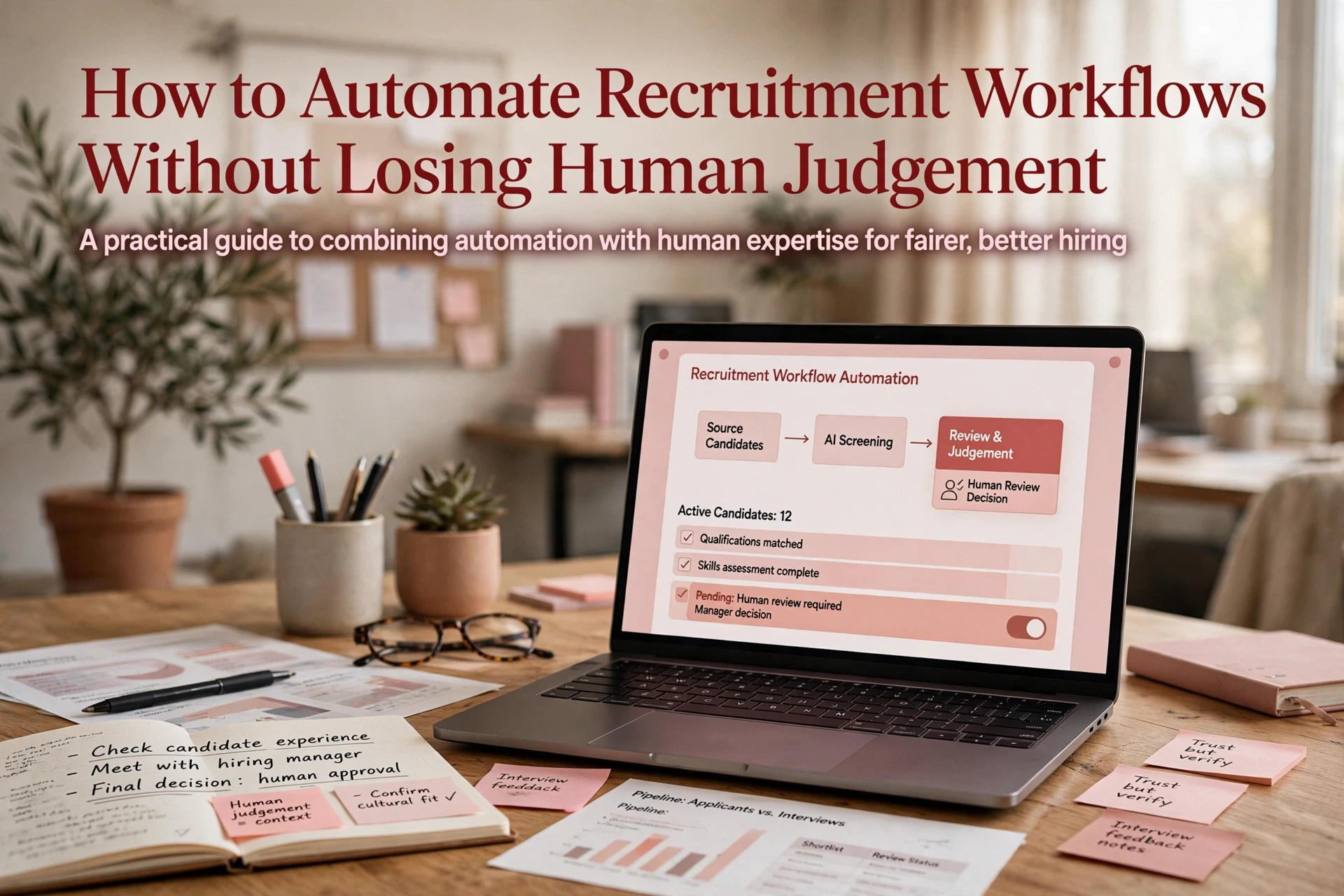
If a task carries significant reputational risk or requires nuanced judgment, keep a consultant in control of the decision.
Why Poor CRM Data Breaks Automation Initiatives
Automating a broken workflow simply accelerates mistakes. If consultant records are inconsistent, automated triggers generate incorrect messages and alienate clients.
Common operational blockers include duplicate candidate profiles, inconsistent stage naming across desks, free-text location entries and incomplete contact histories.

Audit system hygiene before deploying automated sequences. Establishing structured data protocols ensures tools operate on accurate candidate and client records. For complex databases, using targeted data intelligence services fixes underlying data quality issues before workflow tools are introduced.
A clean database allows workflow rules to function reliably across candidate sourcing, placement management and client reporting.
Compliance, Candidate Trust and Quality Control
Data protection regulators require organisations using automated decision-making in recruitment to maintain clear safeguards. Candidates should understand when automated processing occurs and retain the right to request human review.
Agencies using automated tools must implement three operational guardrails:
- Maintain explicit human review points before final candidate decisions or rejections occur.
- Verify software features with vendors to ensure candidate evaluation processes remain fair and explainable.
- Audit candidate communication sequences regularly to maintain tone and brand quality.
Low-cost automation tools that output generic candidate communications damage agency reputation faster than software savings justify. Measuring candidate conversion rates alongside consultant time saved ensures quality standards remain intact.
Setting Your Agency Automation Strategy
Achieving genuine return on recruitment process automation requires careful sequencing rather than rapid software adoption:
- Measure where consultant time goes over a typical fortnight to identify real operational friction.
- Standardise CRM fields, candidate status workflows and data entry standards across all desks.
- Automate one repetitive, low-risk administrative process before expanding tool usage.
- Keep consultants in charge of all key qualification, negotiation and relationship steps.
Agencies seeking independent guidance on stack configuration, system integration and workflow design can review our RecTech consultancy services or explore wider choices using established recruitment platform frameworks. Aligning software deployment with clean data processes secures sustainable operational improvements across every desk.