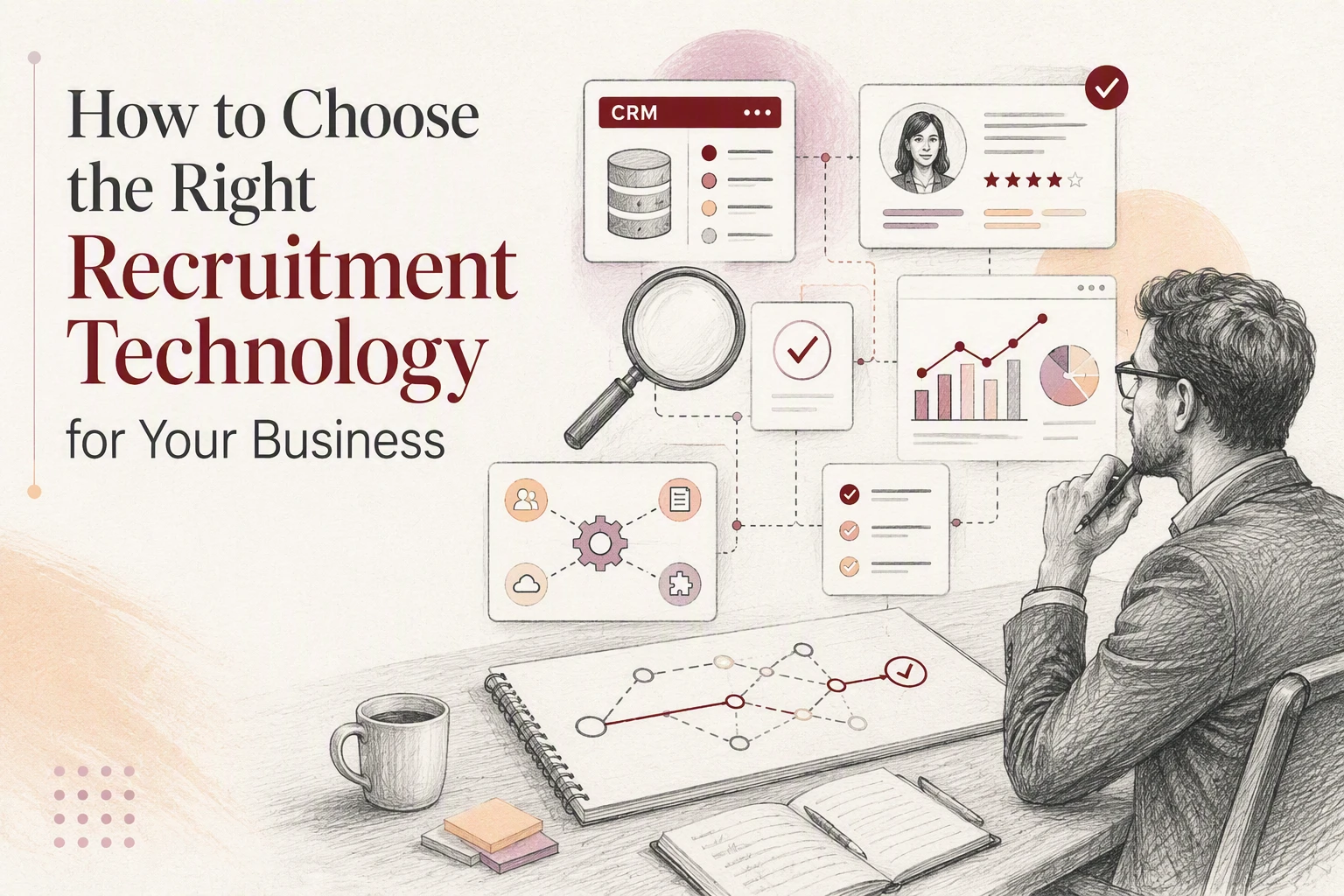
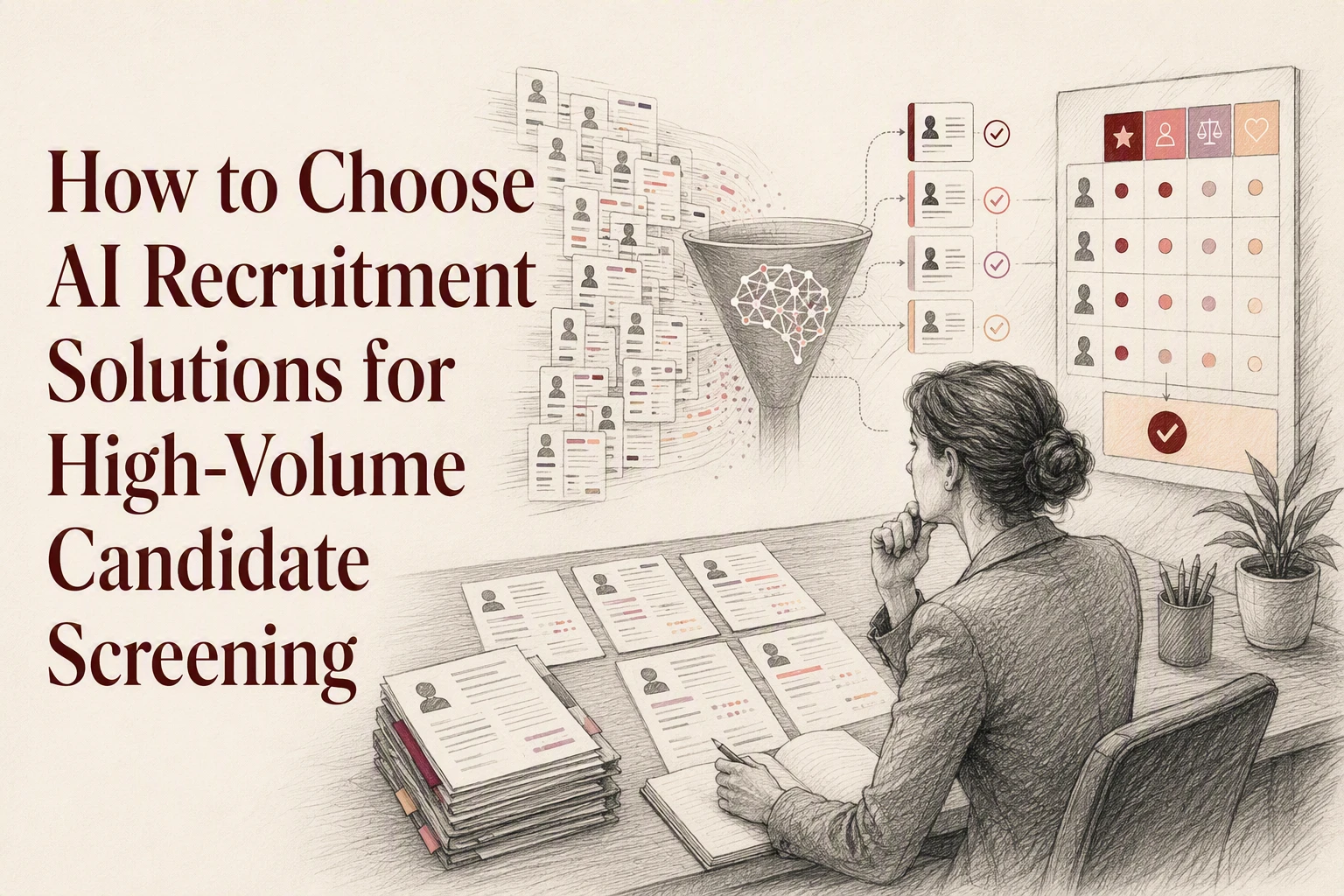
Evaluating recruitment data intelligence: beyond standard CRM reporting
Most recruitment agency leaders do not suffer from a lack of data. Their databases contain hundreds of thousands of candidate and client records built up over years of trading.
The problem is that raw CRM records rarely answer basic commercial questions. Directors struggle to see pipeline health, consultant productivity or which client accounts generate true margin.
Adding a data intelligence platform over messy CRM records will not solve this issue. Dashboards merely display existing errors faster unless agencies clean underlying data and establish clear operational metrics first.
Embedded CRM reporting versus dedicated intelligence tools
Every major recruitment CRM provides native reporting dashboards. These tools aggregate daily operational activity such as calls logged, CVs sent, interviews arranged and placements completed.
Embedded CRM reports work well for trackable activity and basic revenue forecasting, provided consultants enter data consistently. However, standard reports struggle when leaders need deeper intelligence.
Dedicated data intelligence and market analysis tools look beyond internal activity counters. They evaluate market supply, track contact movement across target accounts and identify unworked records sitting dormant in your database.
The distinction matters when choosing technology:
- Operational reporting tracks internal effort and historic activity within the CRM.
- Data intelligence analyses market signals, database health, contact accuracy and candidate movement to inform future business decisions.
Buying external reporting overlays without establishing reliable baseline CRM entry creates duplicate dashboards that managers quickly ignore.
Why analytics implementations fail in recruitment agencies
Data intelligence projects usually fail for three operational reasons rather than software flaws.
1. Degraded baseline data
Uncontrolled data imports, branch expansions and years of manual entry leave CRMs full of duplicates, old job titles and dead contact details. We frequently see agencies holding over 100,000 records where fewer than 20% contain accurate, actionable information.
When an intelligence platform pulls from an uncleaned database, its forecasts and candidate scoring become useless.
2. Missing metric definitions
Different teams often calculate basic performance indicators differently. If one branch defines a client contact by any logged call while another requires an active job brief, agency-wide dashboards produce misleading comparisons.
Leadership must agree on precise data definitions before configuring reporting views.
3. Governance and compliance oversight
When enriching candidate and client records with external market intelligence, agencies must maintain clear governance around data privacy and retention rules. Ensuring third-party data sources comply with UK GDPR and data protection standards is essential before running mass database updates.
4. Dashboard fatigue without action
Dashboards that show numbers without indicating what actions consultants should take fail to drive commercial output. Operational leads do not need 50 pre-built charts. They need targeted views that highlight immediate revenue risks and sourcing bottlenecks.
Moving from passive reporting to active lead prioritisation
The real value of data intelligence lies in changing daily consultant behaviour. Tracking historic phone calls does not increase billings, but identifying high-value accounts with outdated contact details does.
Modern recruitment data workflows use automated enrichment and applied AI to move beyond static reporting. Instead of looking at past activity, agencies use enriched data to score records against their Ideal Customer Profile.
This approach focuses on three practical outcomes:
- Role change detection. Flagging when historic contacts move to new hiring companies, turning cold database records into warm business development leads.
- Ideal Customer Profile scoring. Ranking client and candidate records based on market demand, company growth signals and past placement profitability.
- Hygiene automation. Identifying bounced email addresses and missing fields automatically, ensuring database quality remains high over time.
Services like data intelligence service focus specifically on this layer, applying market and data intelligence to convert static CRM records into actionable business development lists.
What to audit before selecting data intelligence software
Before evaluating software vendors or signing intelligence subscriptions, run a thorough internal audit across your technology stack and processes.
Audit record quality
Examine a representative sample of your candidate and client database. Check the percentage of contacts with current job titles, working email addresses and complete phone numbers. Quantify your duplicate record rate.
Review CRM usage habits
Determine whether consultants actually log notes, update candidate statuses and record deal stages in live workflows. If consultants record activity in spreadsheets outside the CRM, reporting tools will show incomplete figures.
Map data movement
Map how candidate and client information moves between your job multiposter, sourcing tools, CRM and back-office pay and bill software. Ensure data intelligence tools can integrate with your primary CRM without requiring manual re-keying.
If you are considering broader changes to your technology stack, our recruitment tech strategy consultancy helps agencies evaluate system architecture before committing to new software contracts.
Structuring a risk-managed data project
Rolling out data intelligence tools across an agency carries financial and operational risk if managed poorly. A phased implementation manages costs while building internal alignment across management and operational teams.
- Phase 1: Database audit. Assess record condition, clear obvious duplicates and establish key metric definitions across the business.
- Phase 2: Pilot enrichment. Test data enrichment and scoring on a single sector or branch database before committing to agency-wide spend.
- Phase 3: Integration and automation. Connect intelligence tools to your primary CRM and establish automated workflows for ongoing data hygiene.
- Phase 4: Operational rollout. Train team leaders on using intelligence dashboards during weekly pipeline reviews.
Starting with a distinct audit phase provides the clarity needed to scope downstream enrichment costs accurately without overcommitting budget up front.
Establishing your data strategy
Data intelligence software cannot replace sound operational management or clean CRM practices. The tools you deploy are only as effective as the underlying records they analyse.
Focus on fixing core CRM data hygiene and agreeing on clear operational metrics first. Once your consultants maintain accurate records, intelligence platforms can provide the commercial visibility needed to grow billings predictably.
You can read more practical guides on CRM management and applied AI on our recruitment tech blog.